Real NVIDIA hardware, real prices, real power draw — and a plain-words explanation next to every number, so you know exactly what you're buying.
GPU memory is like the model's workspace — the desk it has to spread everything out on before it can run at all. If the desk is too small, the model doesn't run slowly, it simply doesn't fit. That's why every price tag here comes with a memory number, and every memory number comes with this explanation.
How much electricity the hardware pulls while running, every second it's on. We compare every wattage figure to an average home's continuous 1,200W draw, so the number means something you can feel, not just a spec-sheet digit.
When one card's desk isn't big enough, several are wired together with a very fast connection so their desks get bolted into one giant one. See Understanding clusters for the honest difference between a real cluster and a pile of desktop cards.
New to all this? Read the plain-English FAQ →
From a single desktop card to a $6.5M datacenter rack — every card shows its price, memory, and power draw, each with a plain-words explanation.
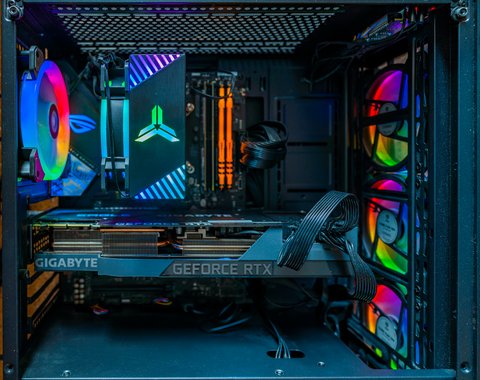
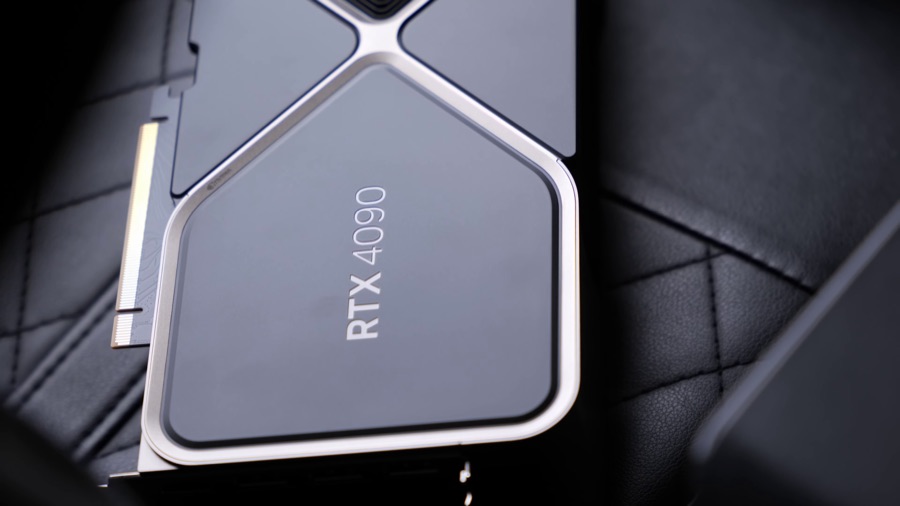
NVIDIA's flagship desktop graphics card. Built for gamers and creators, but strong enough to run small open AI models on a single home PC.
The price of one card, before tax — the cost of a high-end desktop part, not a business machine.
GPU memory (VRAM) is like the model's workspace — the desk it has to lay everything out on while it works. 24GB is a decent-sized desk: fine for small open models (roughly up to ~18B parameters), but nowhere near big enough for the 100B+ models this store advises on.
450 watts is what the card pulls when working flat-out — similar to a hair dryer on high. That's about 38% of one average home's continuous draw.
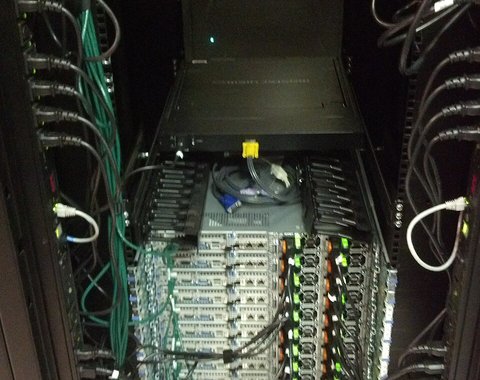
A complete, pre-built machine holding 8 H100 GPUs wired together with NVIDIA's NVLink so they share memory and act as one giant GPU. This is what a real cluster looks like in a single box.
The price of the whole machine — 8 GPUs plus the internal NVLink wiring, cooling, and support that let them behave as one unit instead of eight separate cards.
640GB combined workspace (8 x 80GB desks pushed together and welded into one desk by NVLink). A model too big for one card can spread across all 8 as if they were a single card — the core idea behind a real cluster.
As much continuous power as 8-9 average homes combined, running every hour of every day. That's about 8.5 average homes running non-stop.
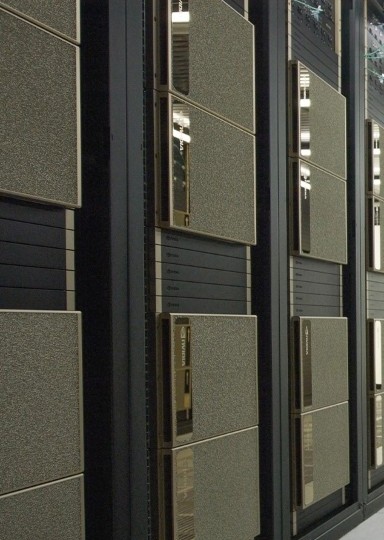
A full datacenter rack: 72 of NVIDIA's newest Blackwell GPUs, wired into one enormous shared-memory machine. This is the scale companies buy to train and run the biggest models in the world.
The price of a small building's worth of custom silicon, liquid cooling, and networking — not something you click "buy" on, but what frontier AI labs order by the rack.
13,500GB (13.5TB) — one shared workspace across all 72 GPUs, enough to run every model this store advises on at once, with enormous room to spare.
About as much continuous power as 100 average homes — a rack this size needs its own dedicated power feed. That's about 100 average homes running non-stop.
Tell us which open model you want to run, or just tell us the size of your company — we'll do the memory math for you.